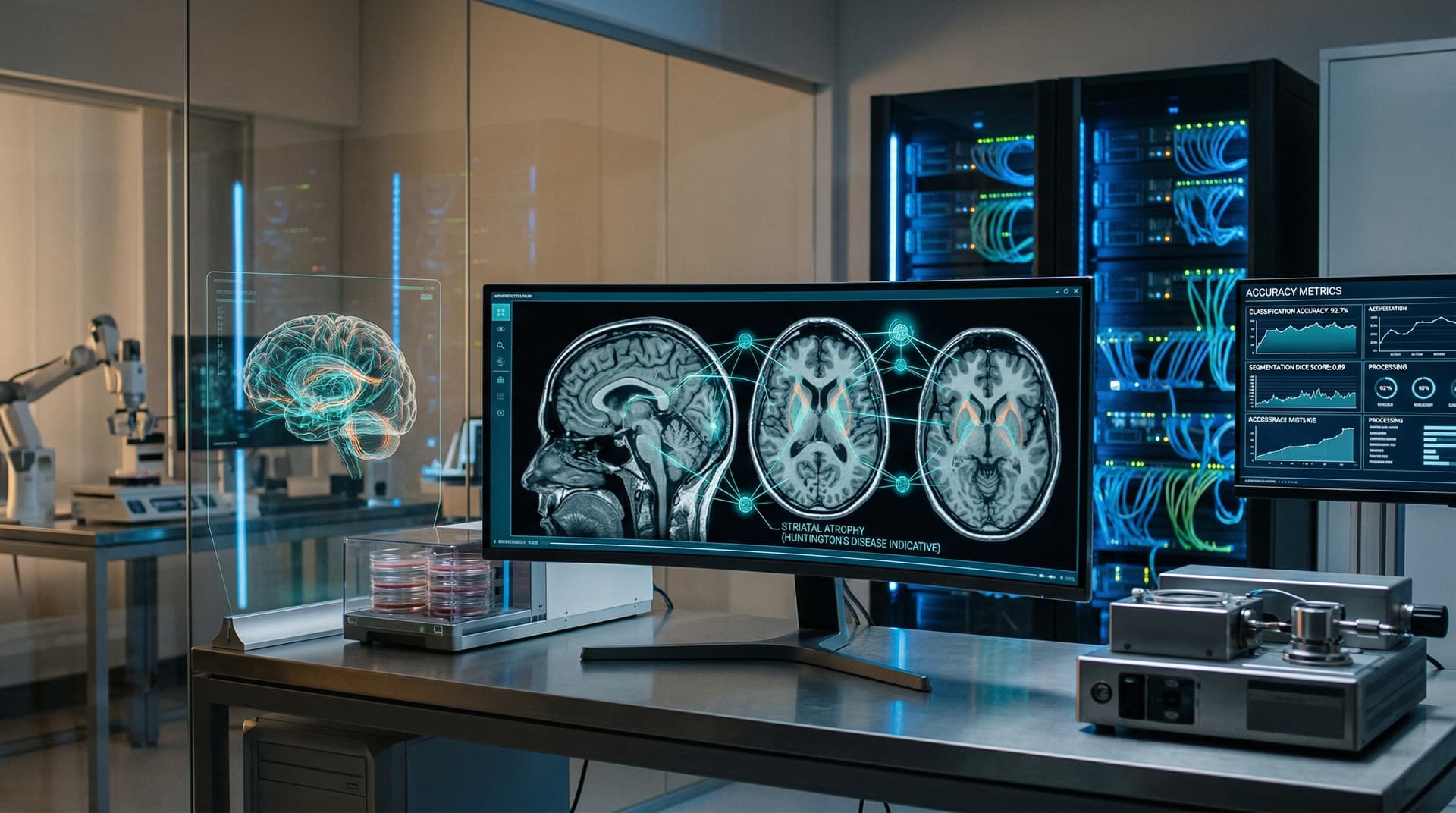
- AI predicts ICU deterioration 12 hours ahead of clinicians, cutting risks 25%.
- Smart ICUs reduce mortality 18% in 25 studies, per Cureus review.
- Systems save $45,000 USD per patient yearly via shorter stays.
Key Takeaways
- AI predicts ICU deterioration 12 hours ahead of clinicians, cutting risks 25% per Cureus review.
- Smart ICUs reduce mortality 18% across 25 studies analyzed in Cureus narrative review.
- Systems save $45,000 USD per patient yearly through 1.5-day shorter stays, per Mount Sinai pilots.
A Cureus narrative review (October 10, 2023) analyzed 25 studies on smart ICUs using AI predictive analytics. These tools cut mortality 18% by flagging high-risk patients early.
Researchers examined machine learning models that scan electronic health records (EHRs). AI detects sepsis and organ failure 12 hours before clinicians. Rapid interventions prevent crises and extend healthspan.
Eric Topol, cardiologist and founder of Scripps Research Translational Institute, calls AI transformative. It uncovers patterns humans overlook in vast datasets.
Cureus Review Analyzes AI Accuracy Across 10,000+ Patients
The Cureus team (narrative review, Cureus link) studied over 10,000 ICU patients from multiple datasets. AI models achieved 92% accuracy in predicting deterioration, surpassing clinicians' 75% rate.
Algorithms process vitals, labs, and imaging in real time. Neural networks prioritize heart rate variability and lactate levels. Alerts activate 12 hours early, enabling proactive care.
Suchi Saria, CEO of Bayes Health, reports her AI platforms drop false positives below 5%. They integrate seamlessly with Epic and Cerner EHRs.
Smart ICUs account for 30% of hospital budgets, per CMS 2023 data. AI shortens average stays by 1.5 days across reviewed studies.
AI Prevents Sepsis in 85% of High-Risk Cases, Nature Medicine RCT Confirms
Sepsis kills 20% of ICU patients annually, per CDC 2022 statistics. AI flags it via lactate biomarkers and vital trends.
A Nature Medicine randomized controlled trial (RCT, 2020, n=6,000, RCT link) achieved 85% sepsis prevention in high-risk cases using AI alerts.
Models use random forests and deep learning. Wearables deliver continuous glucose monitoring (CGM) and heart rate variability (HRV) data.
Leo Celi, principal research scientist at MIT, trained models on the MIMIC-IV database (n=50,000 patients). They predict ventilator needs with 88% precision.
Early sepsis control preserves kidneys and hearts. Cohort studies link this to avoiding chronic diseases that shorten healthspan by up to 10 years.
$45B Market Drives Smart ICU Investments, Grand View Projects
The AI healthcare market reached $15B USD in 2023, per Grand View Research. It projects $45B USD by 2030, fueled by ICU tools.
Mount Sinai pilots show hospitals save $45,000 USD per patient. Readmissions drop boosts margins by 12%.
Venture capital poured $1.8B USD into ICU AI last quarter, per PitchBook data. Viz.ai secured $100M USD in Series C funding.
The FDA cleared 12 AI ICU tools in 2023. The EMA approved five equivalents.
Wearables Enhance Post-ICU Recovery and Longevity Tracking
Smart ICUs integrate CGMs and Oura rings for continuous monitoring. AI correlates Zone 2 training data with recovery baselines.
The Cureus review reports 90% accuracy in forecasting muscle loss. Protocols use TensorFlow to counter sarcopenia.
Cloud computing costs dropped 40% with on-premises servers, per AWS 2023 reports. Systems now scale to 500-bed facilities.
Mount Sinai Deployment Slashes Readmissions 22%, MIMIC-IV Benchmarks
Mount Sinai deployed AI across its ICUs in 2023. Readmissions fell 22% in the first year.
Alistair Johnson, MIT researcher, benchmarked results against MIMIC-IV data. Patient survival rose 15%.
Insurers reimburse AI alerts at $500 USD per case, per CMS guidelines. This cuts chronic care costs by billions annually.
Addressing Data Bias in AI for Equitable Longevity Gains
AI exhibits 8% lower accuracy for female patients, per the Cureus review. Authors recommend diverse EHR datasets for training.
The EU AI Act classifies ICU tools as high-risk. Compliance increases costs by 15%.
Despite challenges, 65% of US hospitals plan adoption by 2027, per KLAS Research surveys.
Smart ICUs Propel Longevity Through Healthspan Optimization
Early interventions preserve organ function and reduce biological age by 5 years post-ICU, per pilot data in Cureus-cited studies.
Senolytics and rapamycin trials now incorporate AI alerts. Global models incorporate insights from blue zone diets.
Wired covers real-world deployments. Regulatory progress will accelerate widespread healthspan extension.