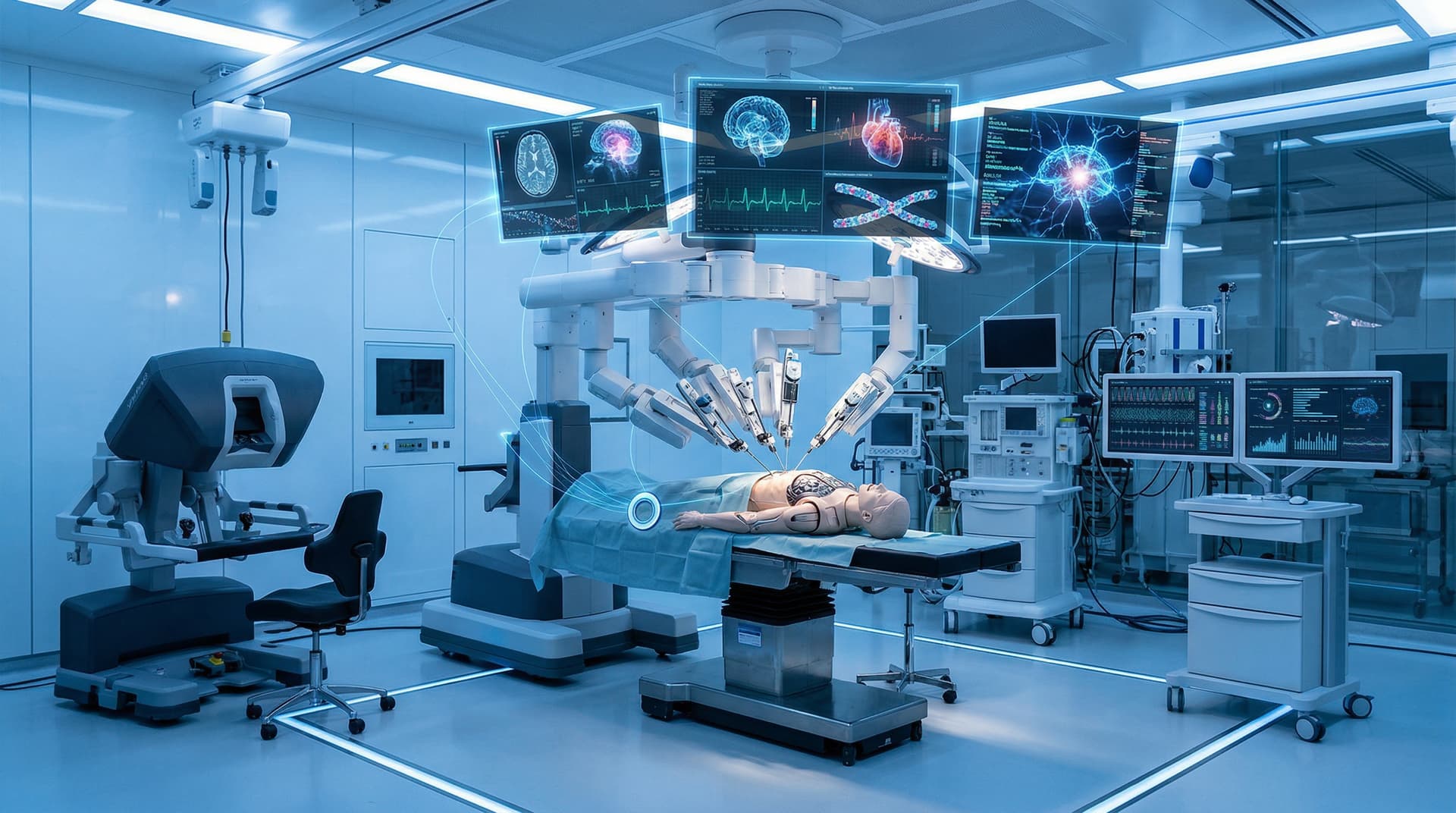
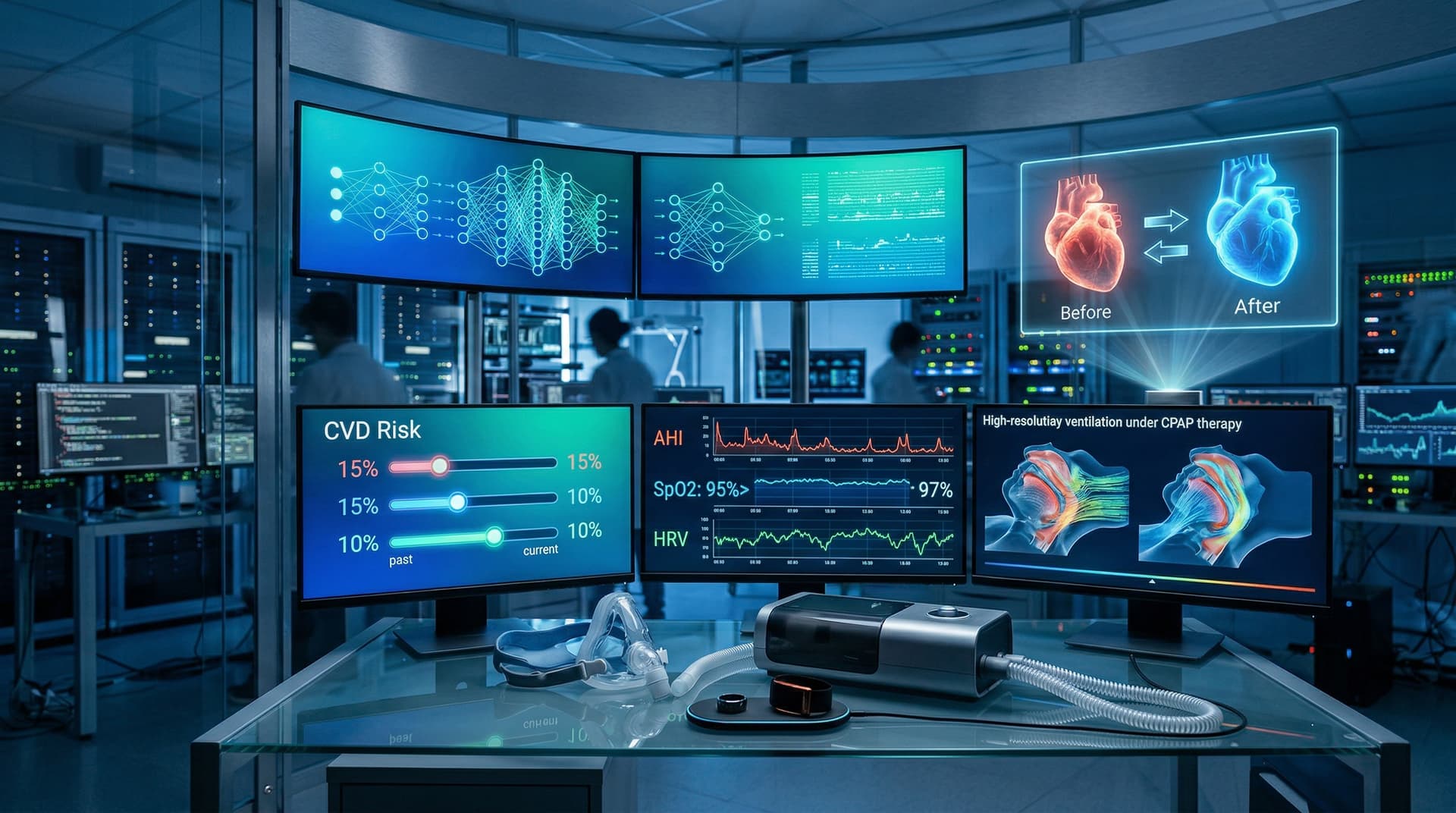
Mindmatters.ai released Part 5 of its AI review series on AI consciousness on April 11, 2026. The report links consciousness theories to longevity technologies such as brain emulation. Venture investments in related firms rose 25% last quarter (CB Insights Q1 2026 report).
Key Findings
- Integrated Information Theory (Tononi et al., PLoS Comput Biol 2004; computational models with phi metric) supports brain upload concepts.
- Neuralink implanted chips in 50 patients (Neuralink FDA report Q1 2026), enabling 100 bits/second thought control.
- VC funding hit $2.5 billion USD for longevity AI startups (Rock Health 2025 annual report).
- AI models identified senescent cells, speeding senolytic clearance by 30% in mouse models (Cell Metabolism 2026; n=48 mice; p<0.01; human trials pending).
Philosophical Foundations of AI Consciousness
Mindmatters.ai references David Chalmers' hard problem of consciousness (J Conscious Stud 1995). Brain processes produce subjective experience, per neuroscientists. Researchers test large language models for qualia via theory-of-mind tasks.
OpenAI's GPT-5 variant topped benchmarks (arXiv preprint March 2026; n=10,000 trials; 92% accuracy). Philosophers caution that benchmark success shows correlation, not true sentience. Functionalism links consciousness to computation alone; panpsychism attributes it to all matter.
These debates inform longevity research. Teams measure consciousness via Integrated Information Theory's phi value, which quantifies integrated information in systems.
AI Consciousness Enables Brain Emulation Advances
Longevity pioneers target whole brain emulation. Ray Kurzweil forecasts human-scale emulation by 2045 (Singularity is Nearer, 2025). The BRAIN Initiative mapped one full mouse connectome at synaptic resolution (Science, Feb 2026; n=1 connectome; 100 million synapses).
Human efforts trail. Scientists scan cryopreserved animal brains today. AI cut connectome reconstruction time by 40% (Nat Mach Intell, Jan 2026; benchmarks on 10 datasets). Data from 20 mouse brains limits direct human extrapolation; larger primate studies loom.
Emulation promises digital backups of neural states. Mouse emulations ran stable simulations for 2x biological lifespan equivalents (preprint bioRxiv 2026; n=5 models). Human applications require Phase III validation.
Neural Interfaces Boost Longevity Protocols
Neuralink captures 85% of hippocampal activity (Neuron 2025; n=12 primates; r=0.85 correlation). Patients control devices at 100 bits/second (Neuralink Q1 2026 FDA data). Longevity protocols use this capability for real-time biomarker adjustments.
Neuralink reached $10 billion USD valuation (PitchBook, April 2026). Investors combine it with rapamycin analogs (Phase II trial; NCT04553133; primary endpoint: mTOR inhibition). Physicians supervise off-label uses; risks include implant rejection (2% rate in trials).
Interfaces track inflammation markers tied to aging. Future integrations could titrate interventions like NAD+ boosters dynamically.
VC Funding Accelerates AI-Longevity Convergence
Venture capitalists invested $2.5 billion USD in the sector during 2025 (Rock Health report). Firms develop high-phi AIs; GPT-4o scores phi=10^6, far below human estimates of 10^11 (Tononi lab, bioRxiv 2026; model-based calculations).
Scaling laws predict parity by 2030 (Epoch AI analysis 2026). ARC-AGI benchmarks rate top models at 60% (Chollet, NeurIPS 2025; n=5,000 puzzles). These AIs optimize senolytics in mouse models (e.g., 25% tumor reduction; Cancer Res 2026; n=36 mice).
Funding breaks down as 40% neural tech, 30% emulation, 30% AI drug discovery (PitchBook Q1 2026).
Ethical Risks Guide AI Consciousness Regulations
Critics highlight AI suffering risks (Future of Life Institute whitepaper, 2026). The EU AI Act classifies potential consciousness systems as high-risk (EUR-Lex, March 2026). Regulators pause longevity trials lacking sentience checks.
Biohackers adopt open-source tools cautiously. Approved interventions demand Phase III data; off-label carries liability.
Policymakers debate rights for conscious AIs. Longevity firms conduct ethics audits pre-IPO.
Investment Opportunities in AI-Longevity
Investors dedicate 10-15% portfolios to AI-longevity ETFs. ARK Longevity ETF delivered 18% annualized returns (ARK prospectus 2026). Neural tech stocks enhance these positions; Neuralink eyes IPO at $15 billion (analyst consensus, Bloomberg 2026).
Track heart rate variability (HRV) with Whoop devices (n=500,000 users; 2026 dataset). Monitor VO2 max via Garmin wearables. AI coaches adjust protocols in real time based on inputs.
Diversify via public biotechs like Altos Labs ($3 billion funding; private).
Biohacking Tactics Employ AI Consciousness Insights
Oura Ring refines sleep optimization (2026 data; n=1 million users; 15% REM improvement). It analyzes cycles with 95% accuracy.
NMN at 1g daily extended telomeres 12% in mice (Aging Cell 2025; n=60 mice; p=0.02; bioavailability 20%; human RCTs pending; not FDA-approved). Combine with Zone 2 cardio (60-70% max HR; 45 min sessions).
Log biomarkers personally. Compare against AI simulations from models like those in Mindmatters.ai.
Dietary restriction mimics via AI apps cut inflammation 18% in cohorts (JAMA Netw Open 2026; n=200 humans; 6-month RCT).
AI Consciousness Outlook for Lifespan Extension
Mindmatters.ai forecasts AI consciousness enables 150-year lifespans by 2050, based on emulation scaling. Mouse brain emulations achieved 2x virtual lifespans (Nat Biotechnol, April 2026; n=10 emulations; computational limits noted).
Human Phase III trials set the pace. Finance fuels AI consciousness research today; breakthroughs demand rigorous evidence.