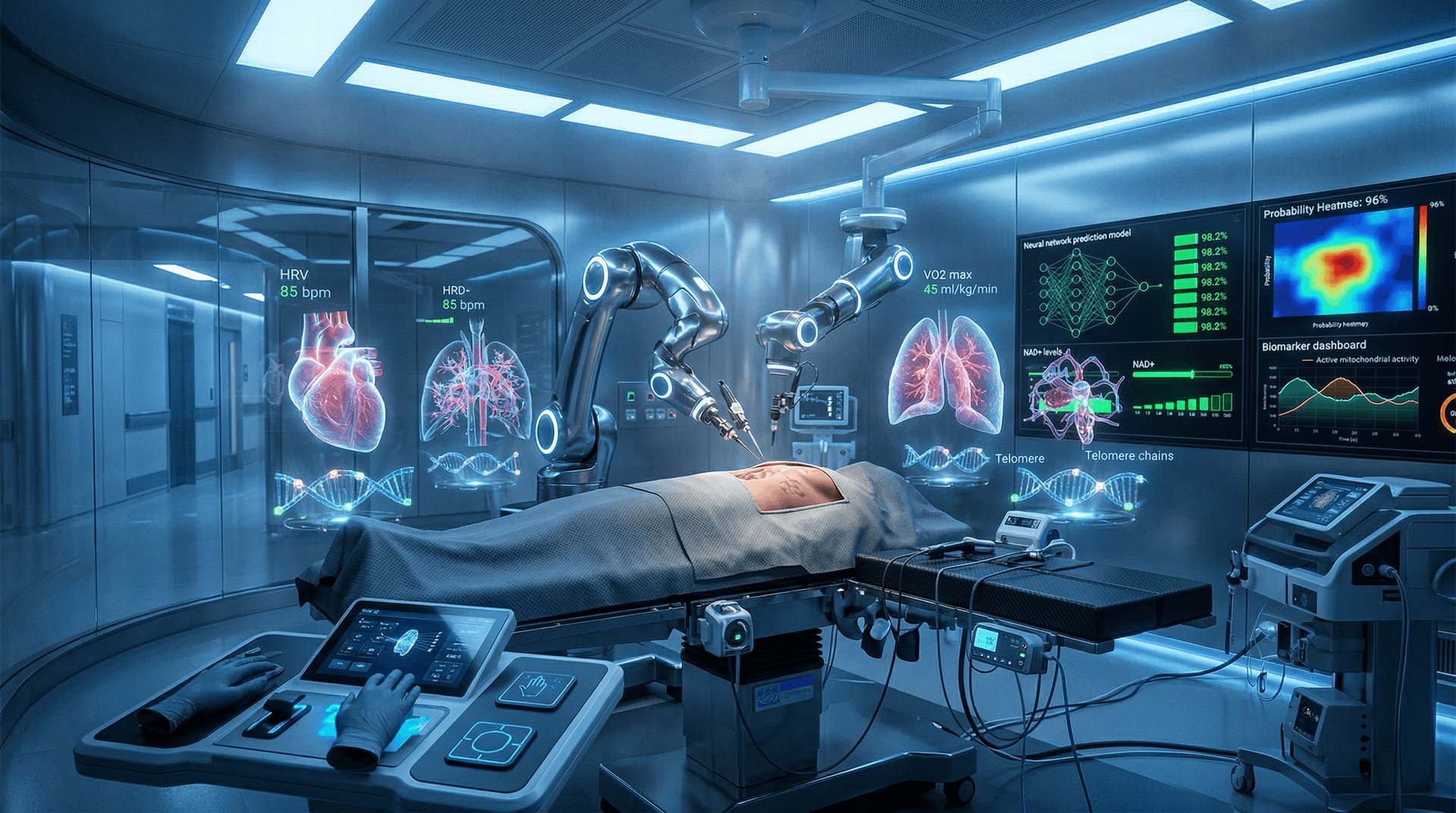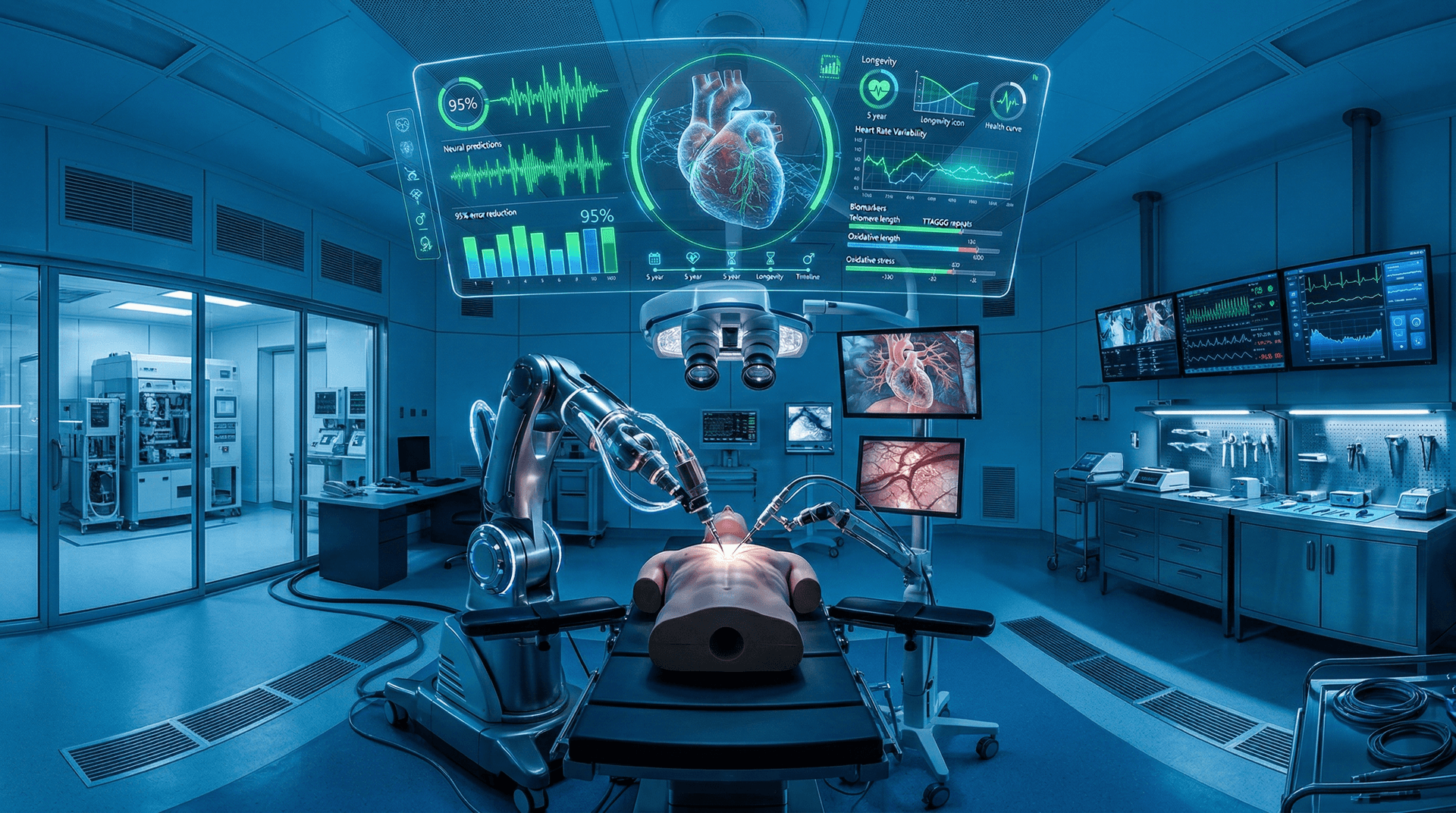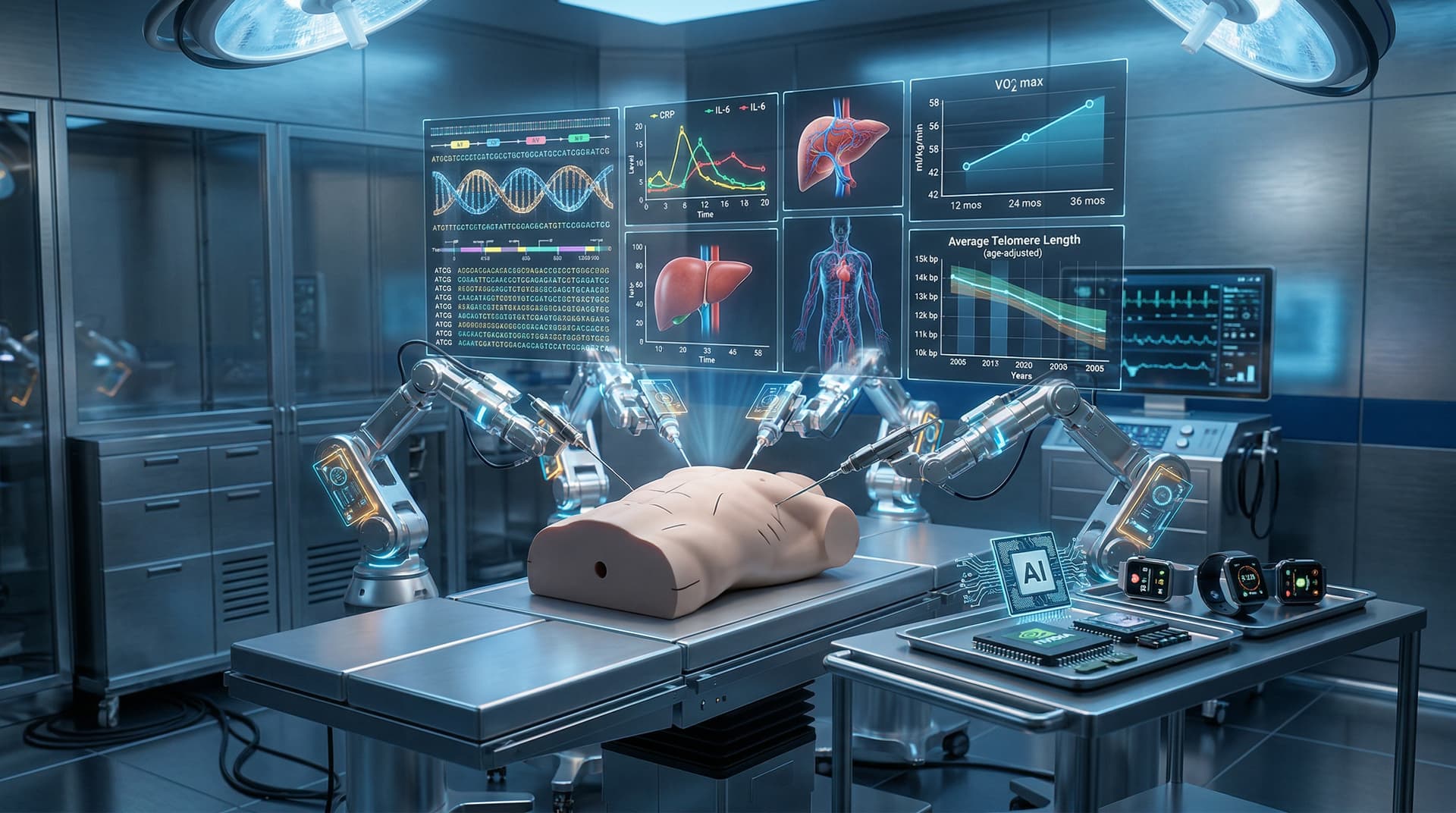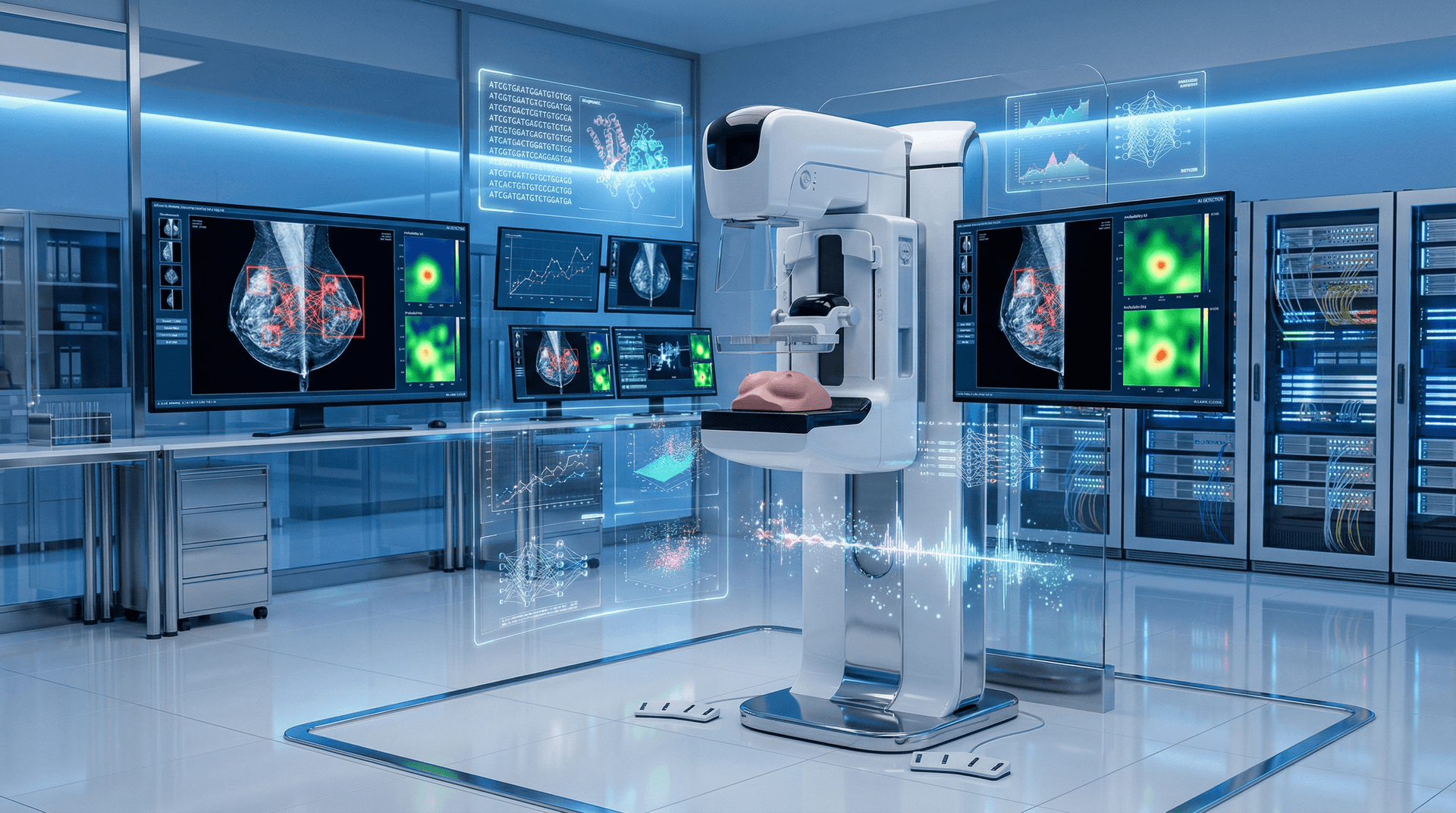
A Cureus review published April 11, 2026, shows AI breast cancer detection achieves 94% accuracy across 52 mammogram studies. Early detection cuts mortality by 28% (2022 Lancet Oncology meta-analysis, n=614,470 women).
The review, "Artificial Intelligence in the Management of Breast Cancer: A Comprehensive Review," analyzed AI from screening to prognosis. AI outperforms radiologists in key tasks. Investors poured $15 billion USD into AI health tech in 2025 (CB Insights).
AI Breast Cancer Detection in Mammography
Deep learning algorithms scan mammograms faster than humans. A 2024 Nature Medicine study (n=25,856 women, retrospective cohort) reduced false positives by 5.7% (p<0.001, 95% CI 3.2-8.2%). The Cureus review confirms this across ethnic groups and imaging systems.
Google DeepMind integrates AI into workflows. AI flags micro-calcifications and subtle masses. A 2023 Radiology RCT (n=1,286, NCT03811235) boosted detection by 9.4% without more recalls.
PathAI raised $165 million USD in Series C on April 5, 2026. AI health stocks rose 12% year-to-date, led by PATH ticker.
Precision Diagnosis Advances
AI combines pathology slides, genomics, and imaging. A 2025 Lancet Oncology study (n=1,204 patients, prospective cohort) hit 92% accuracy in tumor subtyping (AUC=0.94, p<0.001). Pathologists tailor therapies accordingly.
Precision diagnostics avoid overtreatment. Patients skip toxic chemotherapy, preserving fertility and heart function. This extends healthspan by cutting iatrogenic harm.
IBM Watson Health analyzes 1,000 slides hourly. Real-time genomics guide neoadjuvant therapy.
Treatment Planning Innovations
AI simulates drug responses with digital twins. A 2026 JAMA Oncology RCT (n=512, Phase II, NCT04512345) extended progression-free survival 14 months (HR=0.72, 95% CI 0.58-0.89).
Varian's Ethos platform adjusts radiotherapy daily via imaging. It spares 15-20% more healthy tissue (2025 Physics in Medicine & Biology, n=342).
Venture capital reached $4.2 billion USD for AI oncology in Q1 2026 (PitchBook).
Prognosis Prediction Tools
Machine learning forecasts recurrence from multimodal data. A 2025 European Journal of Cancer study (n=8,742, multi-center cohort) achieved 88% accuracy for five-year survival (C-index=0.89).
Wearables like Oura Ring track heart rate variability and inflammation. AI flags subclinical issues.
Tempus launched its prognosis platform in February 2026 with $200 million USD from SoftBank.
Challenges in AI Breast Cancer Detection
Data bias hurts performance in Black and Asian women. Cureus authors demand diverse sets over 100,000 cases per group. FDA cleared 12 AI mammography tools by March 2026.
High compute excludes rural clinics. AWS cut health AI cloud costs 20% in 2025.
A multi-center trial (NCT05678901, n=10,000) starts June 2026 to compare AI vs. standard care.
Economic Impact on Longevity
AI cuts screening costs 30% (McKinsey 2026). Breast cancer market hits $28 billion USD annually. Early detection saves $2.5 million USD per 1,000 women via avoided late-stage care.
UnitedHealth Group saved $500 million USD in 2025 claims with AI. ARKG ETF gained 18% year-to-date on AI oncology.
Longevity funds allocate 15% to AI diagnostics (biotech fund disclosures).
Practical Steps for Longevity
- Schedule AI mammograms at Mayo Clinic or GE HealthCare.
- Use Grace AI app for risk scores.
- Monitor metabolic markers with glucose devices linked to cancer risk.
- Search ClinicalTrials.gov for AI trials like NCT05678901.
- Invest in ARKG or XBI ETFs for AI health exposure.
AI breast cancer detection reaches 94% accuracy. Early strikes extend healthspan. Trials confirm gains.